Before CutSizeGenieDead-end size selector
XSSMLXL
The shopper sees the missing size, abandons the PDP, and paid traffic leaks.
Session drops
CutSizeGenie keeps more sizes sellable on Shopify with controlled mapping rules, inventory safeguards, and clearer visibility for the team handling the order.
CutSizeGenie is not a storefront trick. It is a controlled size-recovery workflow for merchants who already understand where size substitution is operationally valid.
When adjacent sizes can credibly support the missing size, the shopper should not hit a dead end immediately.
Thresholds and share limits keep the model conservative, so source inventory remains protected.
The team fulfilling the order needs the full context behind every recovered size sale.
This is the core commercial problem: paid traffic reaches the product page, but the shopper leaves the moment the desired size is unavailable.
The shopper sees the missing size, abandons the PDP, and paid traffic leaks.
Eligible sizes stay sellable while source stock remains above safe thresholds.
When adjacent sizes can credibly support the missing size, the shopper should not hit a dead end immediately.
Thresholds and share limits keep the model conservative, so source inventory remains protected.
The team fulfilling the order needs the full context behind every recovered size sale.
Mappings should follow how the garment behaves in the real catalog, not a generic size adjacency theory.
Availability should disappear before it becomes risky, not after the team is forced into cleanup.
Recovered demand only works as a growth system if support and operations can immediately understand the order path.
The product is strongest when the internal workflow is clear. That is why the site should speak to real teams and real handoffs, not vague automation promises.
The public story matters because it proves merchant fit. The rollout worked where category logic and downstream operations were already aligned.
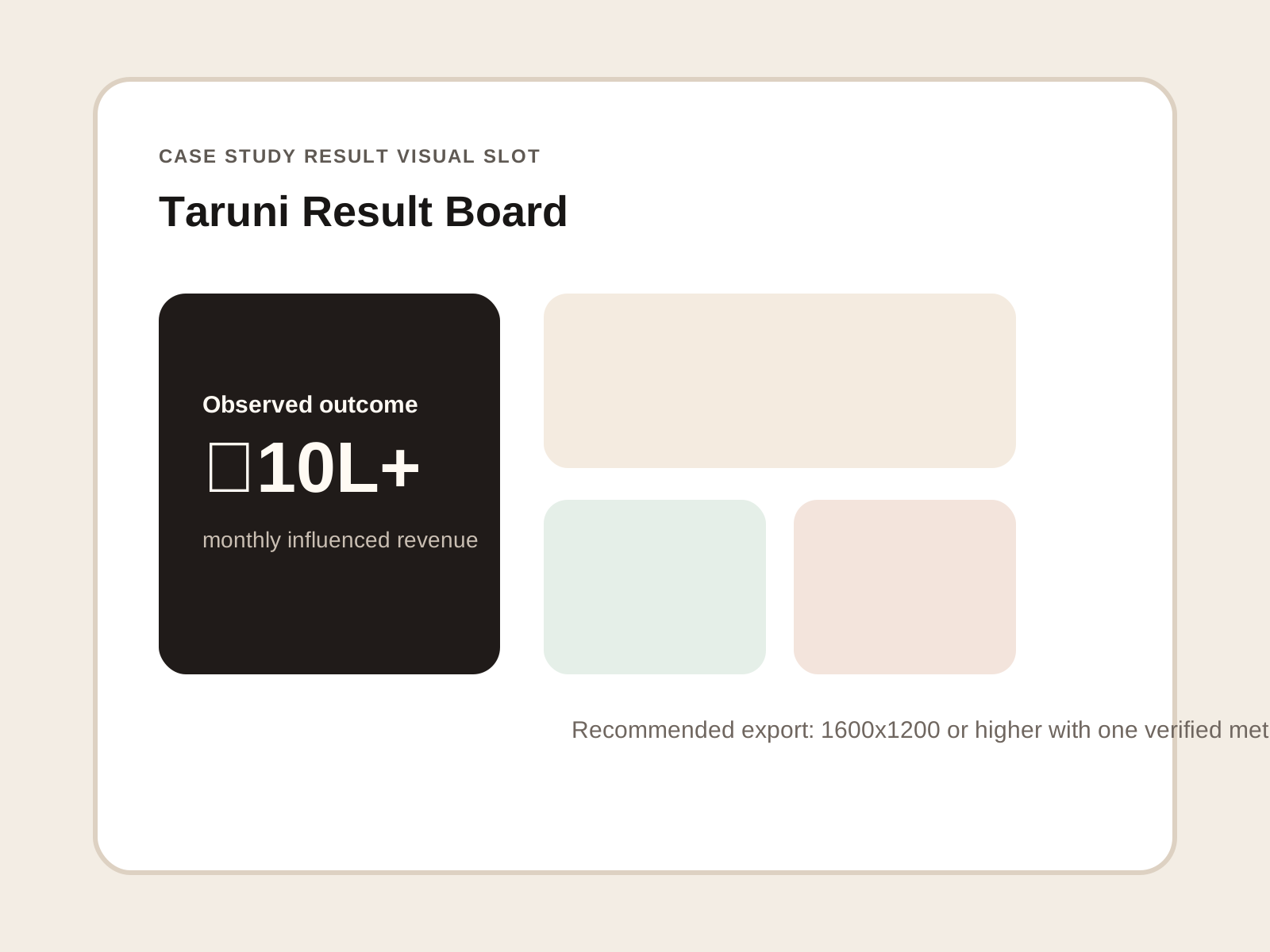
Monthly influenced revenue in the Taruni rollout.
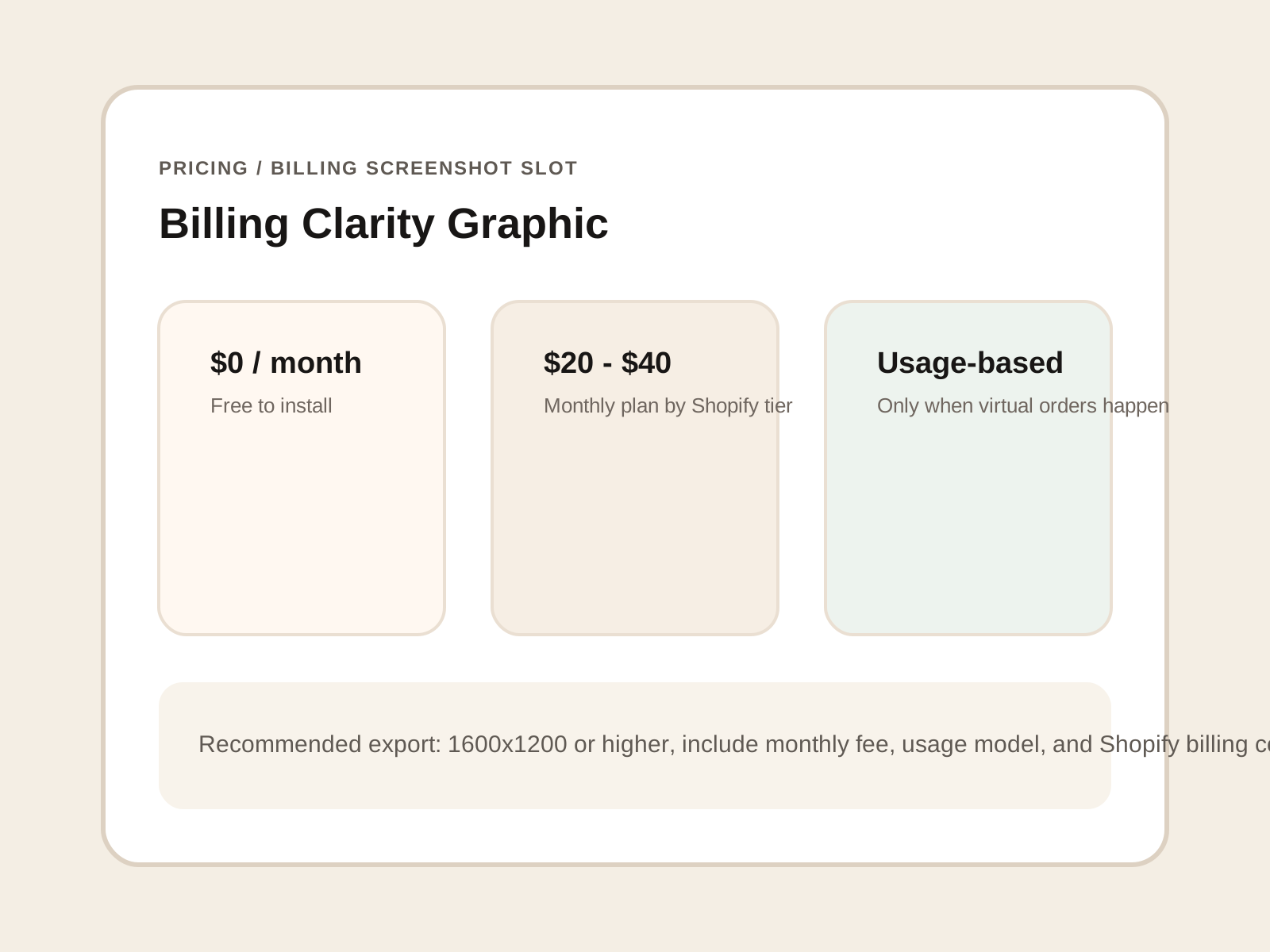
Keep the commercial model easy to understand: a free-to-install entry point, clear plan-based monthly pricing, and a billing explanation merchants can read in one pass.
No. The setup should stay lightweight and avoid turning the install into a storefront rebuild.
With conservative thresholds, share caps, and a rollout model that starts narrow before scaling wider.
No. It fits merchants where size recovery is operationally realistic, not every catalog by default.
With one category, one mapping model, and one downstream process the team already trusts.